
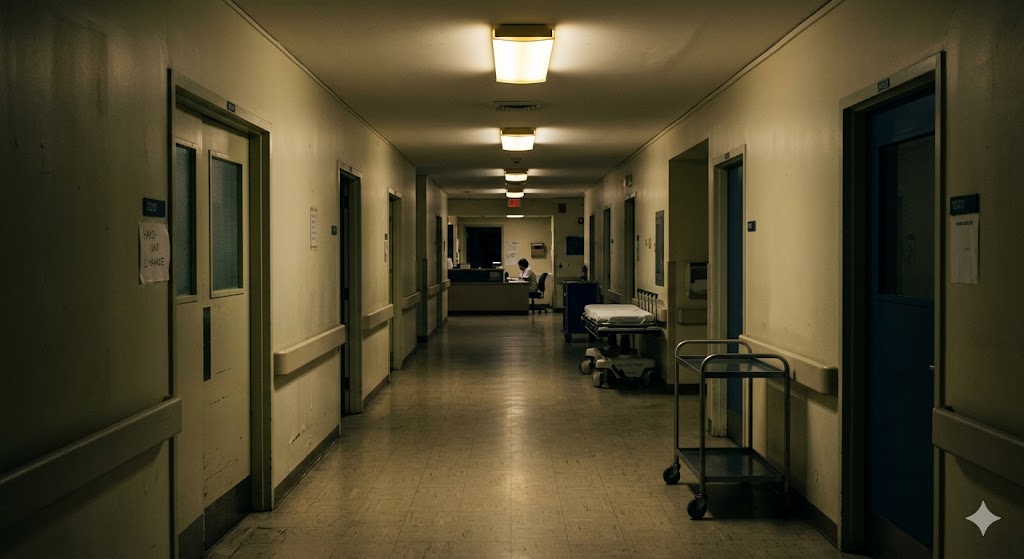
When a person experiences a severe mental health crisis, an inpatient hospital stay is often the first step toward safety. However, many families are shocked to discover just how quickly that hospital stay ends. It is incredibly common for a patient to be discharged after only a few short days—often just three to seven days—leaving them and their families to handle the aftermath of a crisis with minimal support.
According to clinical overviews published by DeLand Treatment Solutions, this rapid turnaround has created a “revolving door” system, where vulnerable individuals are stabilized just enough to be sent home, only to end up back in the emergency room a short time later.
The Shift to “Crisis Stabilization”
Decades ago, inpatient psychiatric care was built around long-term recovery and healing. Today, economic shifts and insurance models have fundamentally changed the goal of acute inpatient psychiatric care.
Data from mental health organizations like Southern Live Oak Wellness highlights that in the modern healthcare system, acute inpatient units are designed almost exclusively for crisis stabilization. Their primary mandate is to ensure immediate physical safety—such as intervening during active suicidal ideation or severe psychosis—and to initiate medication adjustments. Across the United States, the average stay in a general hospital’s psychiatric unit hovers around just 8 to 10 days, but insurance authorizations often force clinical teams to evaluate patients for discharge in a fraction of that time.
Why the Timeline is Cut Short
The primary driver behind these short stays is the strict standard of medical necessity used by insurance providers.
As documented in clinical resource guides by DeLand Treatment Solutions, private insurance companies and managed care programs require documentation proving that the patient remains an immediate, active danger to themselves or others to authorize a hospital day. The moment a patient is no longer actively combative, highly acute, or actively suicidal under 24-hour observation, insurance companies will frequently deny further coverage for that level of care.
Because hospitals cannot absorb the cost of uncompensated care, patients are discharged as soon as the acute crisis is deemed “managed”. Unfortunately, “stable enough to go home” is entirely different from “healed.”
The Gap in Long-Term Recovery
Psychiatric medications, such as antidepressants or antipsychotics, can take several weeks to become fully effective. Discharging a patient after just a few days means they are sent home before anyone can truly know if their new treatment plan is working long-term.
Treatment resources from Southern Live Oak Wellness emphasize that true mental health recovery requires intensive therapy, skill-building, and consistent outpatient support—elements that cannot be squeezed into a multi-day hospital stay. Without proper, long-term transitional programs covered by insurance, the burden of care falls entirely on families and a fractured outpatient system, leaving the root causes of the crisis unaddressed. Something has got to change.